



First Electric App
Easily pay
your bill
Download the app


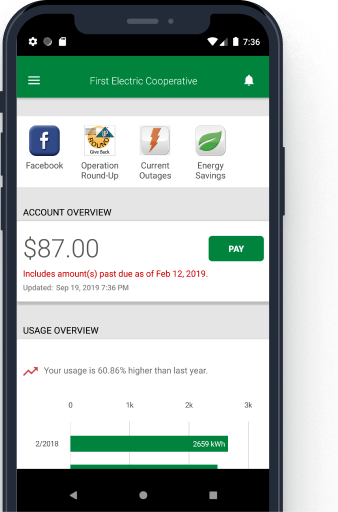
First Electric App
Download the app
Pay My Bill
Billing Options
First Electric App
Download the app
Electrical Service
Net Metering
First Electric App
Download the app
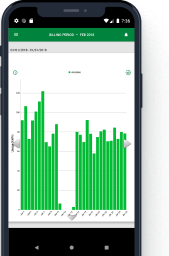
First Electric App
Download the app
Energy Savings Opportunities
Smart Energy Home

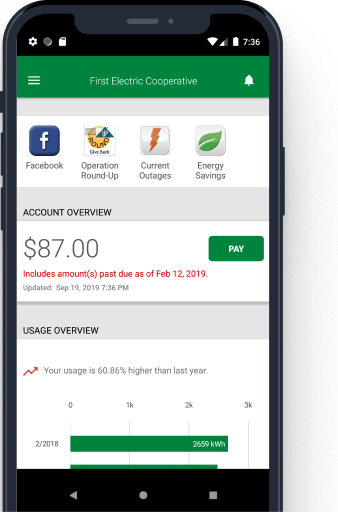
First Electric App
Download the app
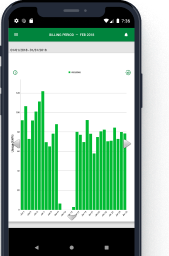
First Electric App
Download the app

First Electric App
Download the app
First Electric App
Download the app
First Electric App
Download the app
Energy Savings Opportunities
Smart Energy Home
First Electric App
Download the app
First Electric App
Download the app
First Electric App
Download the app

First Electric Cooperative Corporation is a not-for-profit electric distribution cooperative that was incorporated April 26, 1937, as the first electric cooperative in Arkansas under the direction of the Rural Electrification Act as signed by President Franklin D. Roosevelt.
First Electric energized its first power lines April 15, 1938, near Jacksonville, Ark., with three employees and served 150 members.
First Electric serves more than 108,000 member accounts throughout parts of 18 counties in central and southeast Arkansas.
The cooperative's headquarters is located in Jacksonville, Ark., with four full-service offices in Bryant, Heber Springs, Perryville and Stuttgart, Ark.

 Pay My Bill Online
  My Account